
Slipped Disc Treatment
in Singapore
Slipped disc physiotherapy helps reduce pain, enhance mobility, and support spinal recovery non-surgically. At Heartland Rehab, we deliver personalised treatment plans tailored to relieve nerve compression, restore seamless movement, and improve daily functioning. Our core objective is to guide patients through a safe recovery, improve their posture, and help them return to everyday activities with absolute comfort and confidence.

Services
Slipped Disc Treatment in Singapore
A slipped disc occurs when a spinal disc protrudes and presses on nearby nerves, resulting in sharp pain, stiffness, numbness, tingling, or limited mobility. As part of a comprehensive slipped disc physiotherapy programme, a specialized massage for slipped disc management helps alleviate muscle tension and improve tissue comfort surrounding the affected region. Furthermore, it enhances localised circulation and flexibility, allowing for easier, pain-free movement during rehabilitation.
To secure long-term spinal health, our clinical team focuses on identifying root causes, recognising acute symptoms, and correcting daily contributing factors such as poor ergonomics, prolonged sitting, improper repetitive lifting, and chronic physical strain.
Our approach combines hands-on massage with targeted exercises to relieve pressure and get you moving again.
Conditions We Treat
Slipped disc physiotherapy, also known as disc herniation or bulge, effectively addresses a comprehensive spectrum of spinal and nerve-related ailments. At Heartland Rehab, we provide structured, custom treatment protocols to eliminate pain and support sustainable recovery for:
Lumbar disc herniation
Sciatica and debilitating radiating leg pain
Disc bulges and degenerative disc diseases
Compensatory muscle tightness surrounding spinal injuries
Postural anomalies and desk-bound back pain
Sports-related and lifting-induced disc traumas
What to Expect
Comprehensive Initial Diagnosis
- Your physiotherapist will thoroughly assess your symptoms, medical history, posture, and biomechanical movement patterns to determine the precise severity and root cause of the disc issue.
Pain Relief and Early Recovery Phase
- Initial treatments focus on alleviating acute pain, decompressing irritated nerves, and restoring baseline comfort through gentle manual physical therapy techniques and targeted activity modifications.
Advanced Therapeutic Techniques
- Care plans seamlessly integrate hands-on manual therapy, specialised medical massage, stretching exercises, and specialized mobility work to unlock joint movement and release stubborn muscular guarding.
Strengthening and Movement Restoration
- Progressing forward, targeted core and spinal stabilization exercises are introduced to strengthen the supporting musculature, optimize flexibility, and restore normal movement mechanics.
Safe Return to Daily Activities
- The final phase safely reintegrates you into professional work routines, gym exercises, and recreational sports while equipping you with long-term preventive habits to minimize the risk of future reinjury.
Who Can Benefit
Our specialized care pathways are highly advantageous for individuals enduring acute back pain, nerve-related deficits, or diminished mobility, specifically:
Office Workers and Corporate Professionals
Reverses back strain and joint stiffness caused by prolonged sedentary work, poor workstation ergonomics, and stressful routines.
Individuals Battling Sciatica Symptoms
Alleviates distress from severe nerve compression, resolving deep leg pain, pins-and-needles sensations, and motor weakness.
Athletes and Fitness Enthusiasts
Accelerates rehabilitation following sports-related spinal strains, systematically rebuilding core strength, endurance, and functional athletic flexibility.
Patients Seeking Non-Surgical Recovery
Provides a highly effective, clinically proven conservative pathway to fully resolve symptoms and restore spinal mechanics without undergoing invasive surgery.
Why Choose Heartland Rehab
At Heartland Rehab, we provide personalised physiotherapy care focused on relieving pain, improving movement, and supporting long-term recovery.
Experienced Clinical Physiotherapists
Our specialists possess extensive clinical expertise in managing complex disc pathologies, ensuring safe and progressive patient outcomes.
Evidence-Based Modern Practices
We utilize fully validated physical therapy techniques and cutting-edge rehabilitation protocols rooted in modern sports science and peer-reviewed medical research.
Integrated Rehabilitation Programmes
Recovery models combine hands-on manual therapy, gym-based exercise prescription, functional retraining, and patient education for a holistic approach to recovery.
Convenient and Accessible Care
With streamlined booking systems and centrally accessible locations, receiving timely, world-class spinal care is entirely hassle-free.
Bespoke Patient Centricity
Every rehabilitation matrix is built around your unique anatomy, occupation, specific goals, and long-term spinal health.
Frequently Asked Questions
What causes a slipped disc?
What causes a slipped disc?
A slipped disc can stem from age-related degenerative changes, repetitive spinal loading, improper heavy lifting, poor daily posture, sudden sports traumas, or acute twisting strains placed on the spinal column.
Is massage safe for slipped disc pain?
Is massage safe for slipped disc pain?
A tailored massage for slipped disc discomfort is highly effective at reducing protective muscle spasms and associated tension. However, it must always be conducted by qualified medical professionals who adapt the therapy safely to your specific structural condition.
Can slipped disc pain improve without surgery?
Can slipped disc pain improve without surgery?
Absolutely. The vast majority of slipped disc cases respond remarkably well to structured slipped disc physiotherapy, progressive exercise, and conservative medical management, effectively eliminating pain and restoring complete function without surgical intervention.
Can a slipped disc cause leg numbness or weakness?
Can a slipped disc cause leg numbness or weakness?
Yes. When a herniated or bulging disc physically compresses or chemically irritates adjacent nerve roots, it can trigger radiating symptoms down the lower limbs, including shooting sciatica pain, numbness, tingling sensations, and localized muscle weakness.
What activities should I avoid with a slipped disc?
What activities should I avoid with a slipped disc?
During acute recovery, avoid heavy unassisted lifting, sudden spinal twisting, high-impact running or jumping, and maintaining prolonged static positions that exacerbate nerve irritation. Always follow your physiotherapist's structured advice to ensure a safe, linear recovery.
Explore More Services
- Physiotherapy
- Musculoskeletal Physiotherapy
- Sports Physiotherapy
- Post Operative Physiotherapy
- Women's Health Physiotherapy
- Paediatric Physiotherapy
- Shoulder Physiotherapy
- Neck Pain Physiotherapy
- Sports Massage
- Back Pain Treatment
- Assisted Stretch Therapy
- TCM × Physio
- Strength & Conditioning
- Pilates
- Lymphatic Drainage Therapy
- Therapeutic Exercise
- Manual Therapy
- Blood Flow Restriction Therapy
- Electrical Stimulation Therapy
- Dry Needling
- Shockwave Therapy
- Ultrasound Therapy
- Cryotherapy
- Taping
Ready to Get Started? Contact Us for a Consultation.
Book an Appointment
Articles
View All Articles

Bending Backwards: Understanding Lumbar Extension-Related Low Back Pain
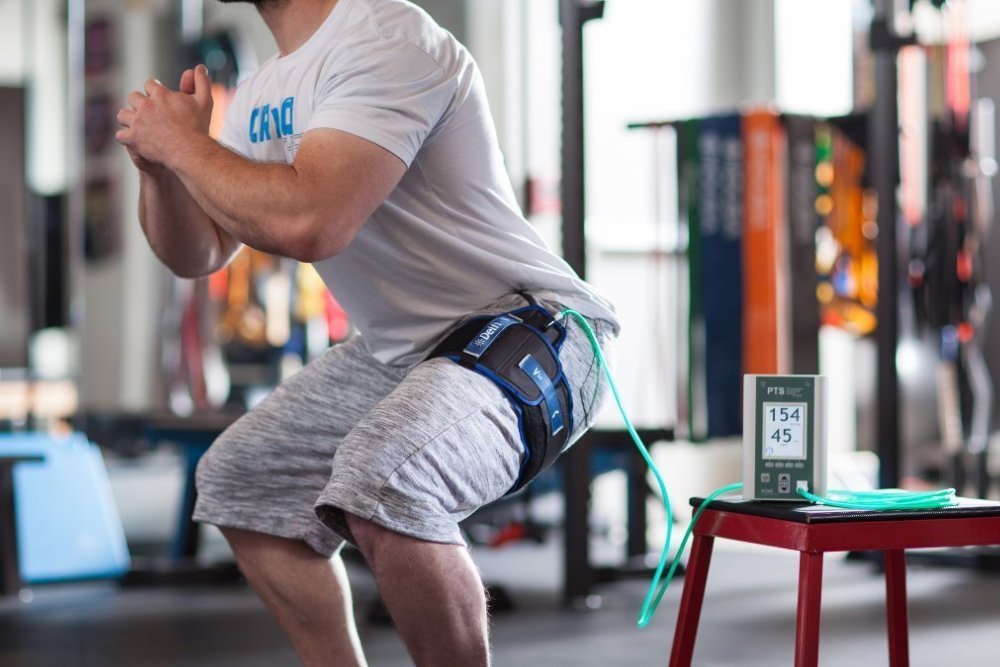
Blood Flow Restriction Therapy: An Effective Tool for Faster Rehabilitation in Physiotherapy
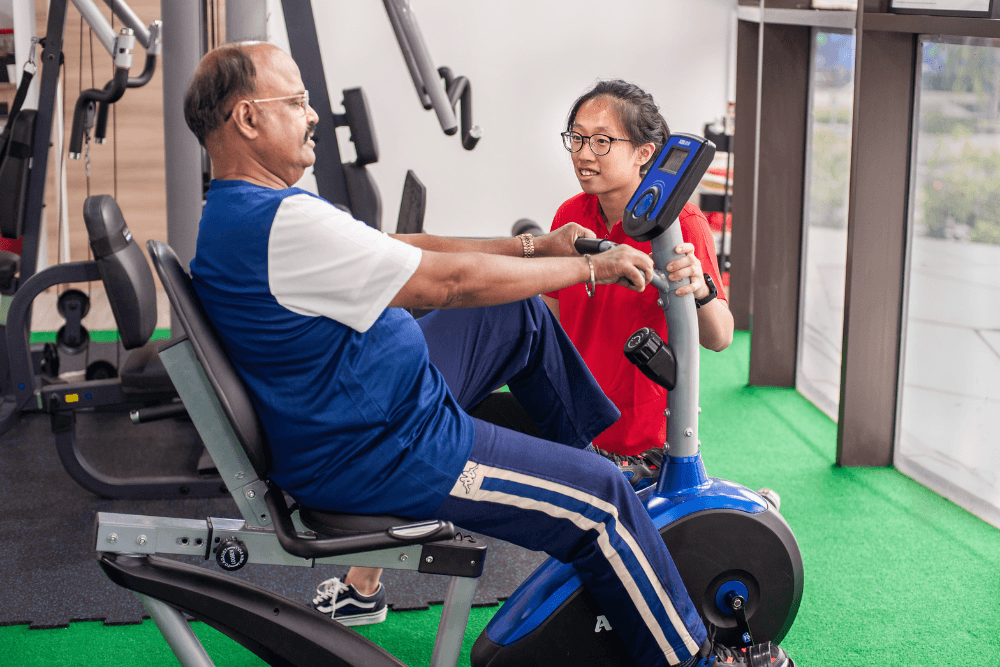
The Importance of Strength Training for Pain and Injury Rehabilitation