
Post-Op ACL Rehab Protocol: A Complete Step-by-Step Recovery Guide
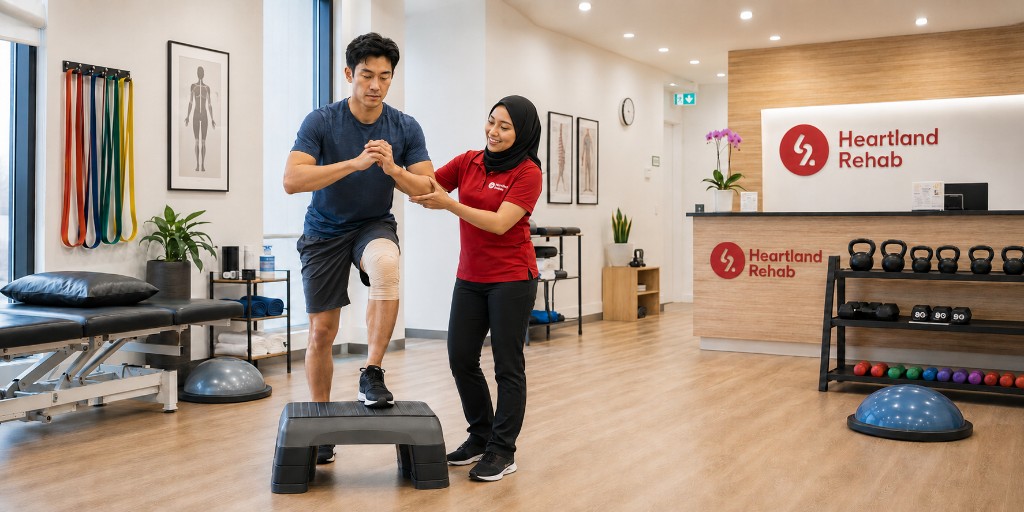
An ACL injury causes immediate disruption, preventing individuals from continuing daily activities and sports. Many undergo ACL reconstruction surgery to restore knee power and regain confidence. A structured rehabilitation programme is crucial to guiding healing, improving mobility, and lowering the risk of future injuries. While the recovery process begins with surgery, it extends across various progressive treatment phases. A structured post-op ACL rehab program facilitates patient healing, restores mobility, and systematically builds strength. Most patients observe significant progress within months, though individual recovery timelines vary.
The overall treatment plan is developed based on surgeon recommendations, graft selection, and individual patient goals. A clearly defined post-operation ACL rehabilitation programme keeps patients focused as they safely advance toward a complete recovery.
Understanding ACL Surgery and Recovery
ACL surgery repairs a damaged ligament to establish a foundation for long-term healing. True recovery demands patience, targeted exercises, and regular objective progress assessments. A structured post-op ACL rehab programme assists individuals in rebuilding strength, sharpening motor control, and returning safely to daily functional activities.
What is the ACL?
The anterior cruciate ligament (ACL) connects the thigh bone to the shin bone, serving as a vital stabilizer within the knee joint. This essential ligament maintains joint stability during high-impact movements such as running, jumping, pivoting, and sudden directional shifts. Most ACL injuries occur during sports activities due to abrupt missteps, sharp turns, or direct physical impacts. These injuries typically manifest as acute knee pain, rapid swelling, and a distinct sensation of joint instability during weight-bearing attempts.
Many individuals report hearing an audible "pop" at the moment of injury and experience immediate difficulty walking. Timely medical evaluation combined with precise rehabilitation protocols is essential to protect the joint, restore baseline strength, and allow patients to safely resume daily routines and sports.
Common Types of ACL Surgery
Surgeons utilise autografts (tissue harvested from your own body) or allografts (donated tissue) to reconstruct a torn ACL. The four primary options include:
1. Patellar Tendon Graft
This approach harvests a small section of the tendon located just below the kneecap. It provides an exceptionally strong, reliable, and durable fixation preferred by highly active individuals and competitive athletes.
2. Hamstring Tendon Graft
This technique utilises a thin strip of tissue from the hamstring muscles at the back of the thigh. It is highly favoured for requiring smaller incisions and leaving minimal post-surgical scarring.
3. Quadriceps Tendon Graft
A modern and increasingly popular alternative, this method extracts tissue from the robust tendon situated directly above the kneecap, serving as an excellent option for patients requiring dense structural support.
4. Allograft
This procedure employs donor tissue sourced from an accredited bone repository. Because your own leg muscles remain entirely untouched, patients often experience reduced immediate post-operative pain.
Why Post-Op Rehabilitation Matters
An evidence-based post op acl rehab programme is vital to restoring joint stability and regaining an optimal range of motion. Early and consistent physical therapy safeguards patients against joint stiffness while significantly reducing the risk of reinjury. Furthermore, the programme trains patients in biomechanically safe movement techniques, rebuilding their confidence for sports, occupational demands, and daily life tasks.
Regular follow-up appointments allow clinicians to track physiological milestones and fine-tune exercise progressions. This systematic, step-by-step advancement establishes clinical trust, enabling patients to secure long-term joint health, robust functional stability, and enhanced athletic performance.
Recovery Timeline by Phase
Comprehensive ACL recovery spans a full 12-month period, in which each progressive phase builds directly on the functional foundations of the previous stage.
- Phase 1 (Weeks 0 to 2): Reduce swelling and regain full extension.
- Phase 2 (Weeks 2 to 6): Improve joint mobility and normalise walking
- Phase 3 (Weeks 6 to 12): Rebuild muscular strength and neuromuscular balance.
- Phase 4 (Months 3 to 5): Implement advanced functional strengthening
- Phase 5 (Months 5 to 7): Initiate straight-line running and agility training drills.
- Phase 6 (Months 7 to 12): Execute sport-specific conditioning and return to competitive play.
Phase 1 (Weeks 0–2): Protect the Knee and Reduce Swelling
| Category | Details |
|---|---|
Main Goals |
|
Recommended Exercises |
|
Weight-Bearing Guidelines |
|
Tips for Faster Recovery |
|
Symptoms You Need to Consider and Monitor |
|
Phase 2 (Weeks 2–6): Restore Mobility and Basic Strength
| Category | Details |
|---|---|
Goals During This Phase |
|
Key Exercises |
|
Mobility Milestones |
|
Common Mistakes |
|
Phase 3 (Weeks 6–12): Strengthening and Neuromuscular Control
| Category | Details |
|---|---|
Main Objectives |
|
Strength Exercises |
|
Balance & Stability Exercises |
|
Cardiovascular Conditioning |
|
Phase 4 (Months 3–5): Advanced Strength and Functional Training
| Category | Details |
|---|---|
Goals |
|
Advanced Exercises |
|
Functional Testing |
|
Phase 5 (Months 5–7): Running, Jumping, and Agility
| Category | Details |
|---|---|
Criteria to Start Running |
|
Running Progression |
|
Agility and Plyometric Exercises |
|
Psychological Readiness | Addressing the fear of reinjury through objective testing and incremental confidence-rebuilding exercises. |
Phase 6 (Months 7–12): Return to Sport
| Category | Details |
|---|---|
Return-to-Sport Criteria |
|
Sport-Specific Training |
|
Injury Prevention Strategies |
|
Best Exercises for Post-Op ACL Rehab
These specific exercises are structured to support recovery across every milestone of the rehabilitation journey:
- Early-Stage Recovery: Quadriceps sets, ankle pumps, and heel slides gently activate muscles while protecting the fragile healing graft tissue.
- Mid-Stage Strengthening: Step-ups, mini squats, and glute bridges target fundamental lower-body power without overloading the joint.
- Late-Stage Plyometrics: Box jumps, side shuffles, and ladder drills retrain the nervous system for explosive athletic performance.
- Exercises to Avoid Early On: Aggressive open-chain quadriceps extensions and deep, unassisted lunges must be strictly avoided initially, as they apply unsafe shearing forces directly to the healing graft.
Nutrition Tips for ACL Recovery
Proper nutritional choices play a critical role in optimizing tissue repair and shortening your overall rehabilitation timeline:
- Prioritise Lean Protein: Incorporate high-quality protein sources such as chicken breast, eggs, wild-caught fish, tofu, and lentils. Adequate protein intake is vital for repairing damaged muscle fibres and synthesizing new ligament collagens.
- Integrate Anti-Inflammatory Foods: Enrich your daily meals with antioxidant-rich foods like fresh berries, fatty fish (rich in omega-3s), leafy green vegetables, nuts, and seeds to naturally mitigate persistent joint swelling.
- Maintain Optimal Hydration: Drink ample water throughout the day. Consistent hydration is essential to lubricate the knee joint, improve soft tissue elasticity, and support systemic metabolic recovery.
- Incorporate Tissue-Supporting Nutrients: Ensure sufficient intake of Vitamin C (for collagen synthesis), Calcium, Vitamin D, and Omega-3 fatty acids to support bone density and ligament strength. Always consult your primary physician or a qualified clinical nutritionist prior to initiating new supplement regimens.
Common ACL Rehab Mistakes to Avoid
Evading these critical pitfalls during your post-operative ACL rehabilitation ensures uninterrupted functional progress and prevents unnecessary clinical setbacks.
1. Returning to Sports Prematurely
Biologically, the harvested graft requires a full 9 to 12 months to undergo "ligamentization"—a physiological process where the body transforms tendon tissue into a highly functional, resilient ligament capable of handling sports loads.
2. Skipping Physical Therapy Sessions
While independent home exercises are necessary, missing clinical sessions can cause undetected joint stiffness, arthrogenic muscle weakness, and poor biomechanical habits to take root.
3. Neglecting Hamstring and Gluteal Strength
If the posterior chain remains weak, the quadriceps will exert excessive anterior pull on the tibia, placing unwanted stress directly onto your newly reconstructed ACL during squats, jumps, and rapid deceleration.
4. Comparing Personal Timelines
Every rehabilitation journey is entirely unique. Healing rates are heavily dictated by your specific graft selection, biological age, tissue quality, and pre-injury conditioning levels.
5. Pushing Through Sharp Pain and Effusion
Pain and swelling are vital physiological warning signals. Attempting to work through severe discomfort or an actively inflamed joint typically exacerbates micro-tears and delays long-term recovery.
Final Thoughts
Recovering from an ACL reconstruction is a long-term journey requiring consistent clinical management. Because physiological healing rates vary, some individuals regain strength rapidly while others require extended time to re-establish total movement trust. Success relies entirely on disciplined, progressive efforts where small daily improvements compound into long-term joint health. Working closely with a certified physiotherapist guarantees you navigate these exercise stages at a safe, biologically appropriate pace.
Ultimately, your long-term knee health depends on building substantial muscle volume, mastering correct movement patterns, and committing to proactive injury prevention strategies. A structured, well-planned post-operative ACL rehabilitation programme allows patients to confidently rebuild joint trust and enjoy a vibrant, active lifestyle for many years to come.